
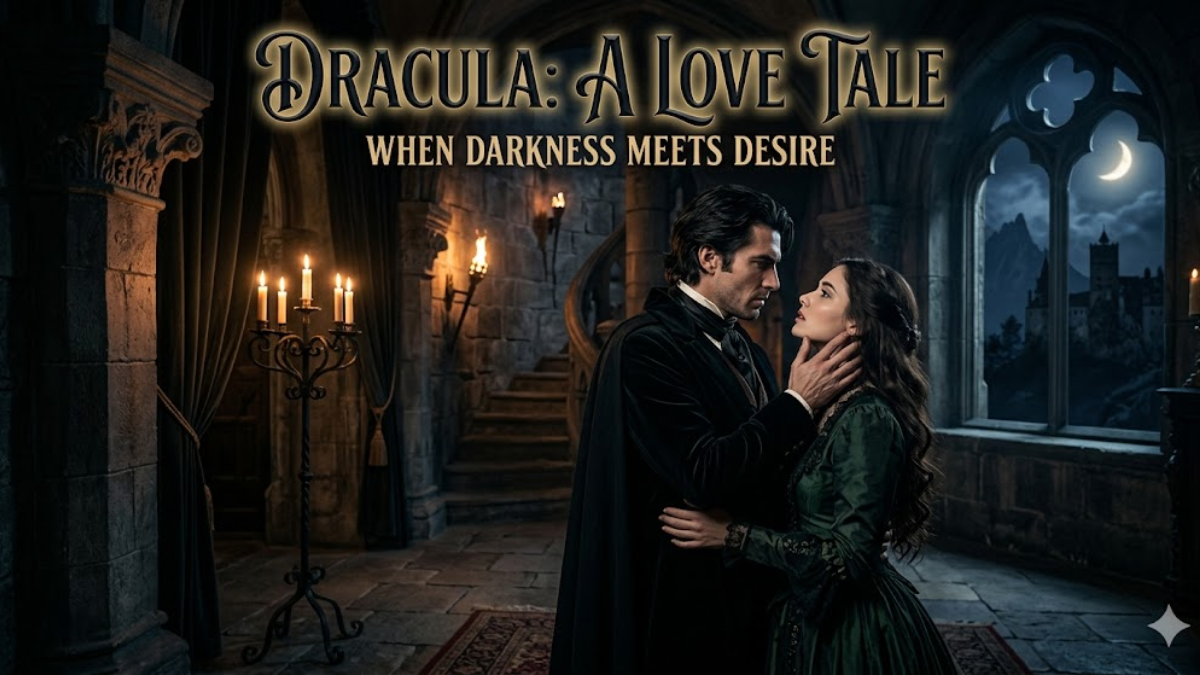
Dracula: A Love Tale: When Darkness Meets Desire
Dracula: A Love Tale is a fascinating reinterpretation of one of the most iconic gothic legends ever told. Traditionally, Dracula has been portrayed as a terrifying vampire, a symbol of fear, death, and the supernatural. However, in modern storytelling, this dark figure is often reshaped into something far more complex—a tragic romantic character driven by love, longing, and loss.
This article explores the concept of “Dracula: A Love Tale,” diving deep into how the narrative transforms horror into romance, examines the emotional depth of the characters, and highlights why this timeless story continues to captivate audiences across generations.The Evolution of Dracula’s Character
Dracula first emerged as a terrifying figure in classic gothic literature. He was depicted as a ruthless predator who thrived on human blood and spread fear wherever he went. But over time, storytellers began to reinterpret his character, adding emotional layers that made him more relatable.
In “Dracula: A Love Tale,” the vampire is no longer just a monster. He becomes a tragic hero—a man cursed with immortality, haunted by the loss of a loved one, and searching for redemption. This transformation shifts the focus from horror to emotional storytelling, making the narrative more engaging and human.
The Central Theme: Love Beyond Death
At the heart of “Dracula: A Love Tale” lies an enduring theme—love that transcends death. Unlike ordinary romance stories, this tale explores a love that defies time, mortality, and even morality.
Dracula is often portrayed as a character who lost his true love centuries ago. His immortality becomes a burden rather than a gift, as he is forced to live without the one person who gave his life meaning. When he encounters someone who resembles or reincarnates his lost love, the story takes a dramatic turn.
This concept of eternal love creates a powerful emotional connection with the audience. It raises questions about destiny, fate, and whether love can truly conquer all—even death itself.
Gothic Atmosphere and Romantic Elements
One of the defining features of “Dracula: A Love Tale” is its unique blend of gothic horror and romance. The setting often includes dark castles, misty landscapes, and candlelit chambers, creating a mysterious and haunting atmosphere.
However, within this darkness lies an intense emotional core. The contrast between fear and affection makes the story more compelling. The eerie surroundings amplify the depth of the romance, making every interaction between the characters feel more significant.
This combination of gothic elements and heartfelt emotion is what sets “Dracula: A Love Tale” apart from traditional love stories.
The Tragic Hero: Dracula
Dracula, in this narrative, is not simply a villain. He is a deeply flawed and tragic figure. His immortality isolates him from humanity, leaving him trapped in a cycle of loneliness and regret.
His love becomes both his strength and his weakness. It drives him to seek connection, yet it also reminds him of everything he has lost. This duality makes him a compelling character—one who is both feared and pitied.
Audiences are drawn to this complexity. They see not just a vampire, but a man struggling with his past, his desires, and his identity.
The Role of the Female Protagonist
In “Dracula: A Love Tale,” the female protagonist plays a crucial role in shaping the narrative. She is often depicted as strong, compassionate, and emotionally resilient.
Whether she is a reincarnation of Dracula’s lost love or a completely new character, she becomes the key to his transformation. Through her presence, Dracula experiences emotions he thought were long gone—hope, warmth, and the possibility of redemption.
Her character also represents the moral center of the story. She challenges Dracula’s nature, forcing him to confront the consequences of his actions and decide whether he will remain a monster or strive to become something more.
Conflict Between Love and Darkness
A major element of the story is the internal and external conflict faced by Dracula. His love for the protagonist is genuine, but his nature as a vampire constantly threatens to destroy that relationship.
This conflict creates tension throughout the narrative. Can love overcome the darkness within him? Or will his instincts ultimately prevail?
The struggle between humanity and monstrosity is what makes the story emotionally powerful. It reflects a universal theme—the battle between our better selves and our darker impulses.
Symbolism in Dracula: A Love Tale
The story is rich in symbolism, which adds depth and meaning to the narrative. Some common symbols include:
- Blood: Represents both life and sacrifice, as well as the bond between Dracula and his beloved.
- Darkness: Symbolizes isolation, fear, and the unknown.
- Light: Represents hope, love, and redemption.
- Immortality: A double-edged sword that offers endless life but endless suffering.
These symbols help convey the emotional and philosophical themes of the story, making it more than just a simple romance.
Why Audiences Love This Interpretation
The romantic version of Dracula has gained immense popularity for several reasons:
1. Emotional Depth
Unlike traditional horror stories, this narrative focuses on feelings, relationships, and personal struggles.
2. Relatable Themes
Love, loss, and redemption are universal experiences that resonate with audiences.
3. Complex Characters
Dracula is no longer one-dimensional. His internal conflict makes him more human and engaging.
4. Unique Storytelling
The blend of horror and romance creates a fresh and intriguing narrative style.
Modern Adaptations and Influence
“Dracula: A Love Tale” has influenced various forms of media, including films, television shows, and novels. Many modern adaptations portray vampires as romantic figures rather than purely terrifying creatures.
This shift has changed how audiences perceive vampire stories. Instead of focusing solely on fear, creators now explore themes of love, identity, and morality.
As a result, Dracula’s story continues to evolve, remaining relevant in contemporary storytelling.
The Psychological Appeal
There is a strong psychological aspect to the appeal of “Dracula: A Love Tale.” The idea of loving someone who is dangerous or forbidden creates a sense of excitement and intrigue.
It also taps into the human fascination with immortality and the unknown. The story allows audiences to explore these concepts in a safe and imaginative way.
Additionally, the theme of redemption—of a dark character seeking love and forgiveness—offers a sense of hope and emotional satisfaction.
Lessons from Dracula: A Love Tale
Despite its supernatural elements, the story carries meaningful lessons:
- Love is powerful but complex
- Redemption is possible, even for the flawed
- Immortality without connection is empty
- True love requires sacrifice and understanding
These lessons make the story not only entertaining but also thought-provoking.
Conclusion
“Dracula: A Love Tale” is a beautiful fusion of darkness and romance. It reimagines a classic horror figure as a tragic lover, adding emotional depth and complexity to the narrative.
By exploring themes of eternal love, inner conflict, and redemption, the story resonates with audiences on a deeper level. It reminds us that even in the darkest of characters, there can be a spark of humanity—and that love has the power to transform even the most cursed souls.
FAQs
1. What is “Dracula: A Love Tale” about?
It is a romantic reinterpretation of the Dracula story, focusing on love, loss, and redemption rather than pure horror.
2. Is Dracula portrayed as a villain or a hero?
In this version, Dracula is a tragic hero—both flawed and sympathetic, struggling between his dark nature and his desire for love.
3. Why is the story considered romantic?
The narrative emphasizes emotional connections, eternal love, and the sacrifices made for love, making it deeply romantic.
4. What makes this version different from traditional Dracula stories?
Unlike traditional horror-focused versions, this tale highlights Dracula’s emotional depth and human side.
5. Why do people enjoy vampire love stories?
They combine mystery, danger, and romance, creating a unique and captivating experience.
6. Does the story have a happy ending?
The ending varies depending on the adaptation, but it often includes elements of sacrifice, redemption, or bittersweet love.