
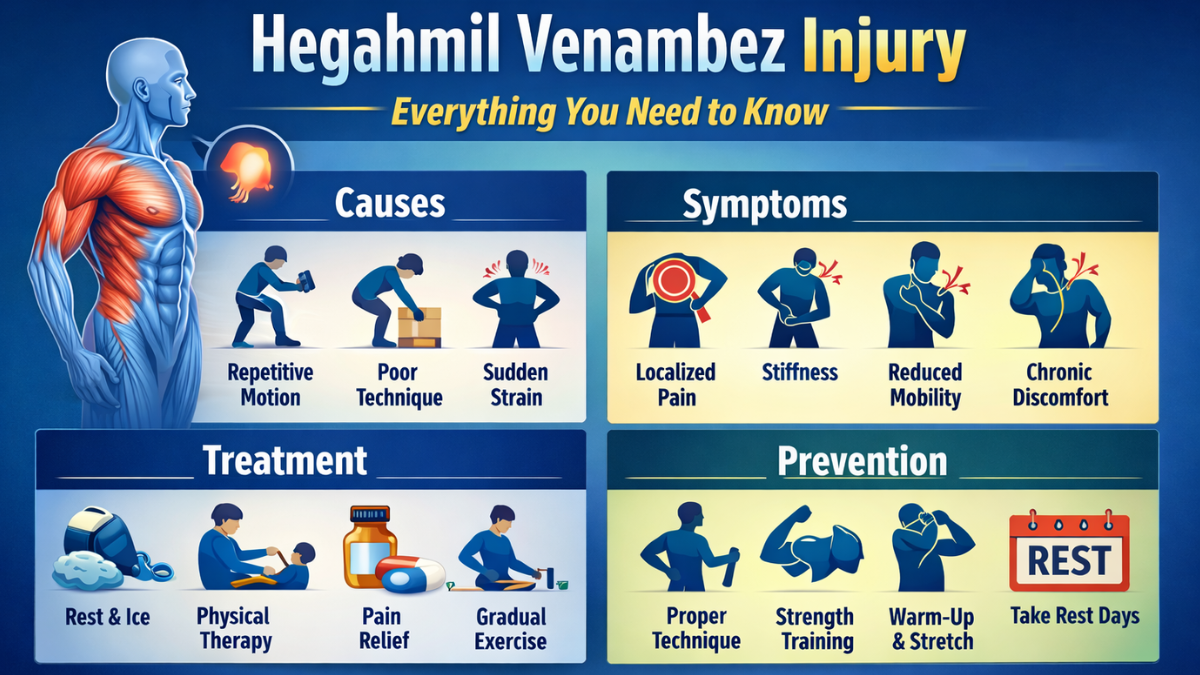
Hegahmil Venambez Injury: Causes, Symptoms, Treatment, and Prevention Guide
Injuries of the musculoskeletal system are common and affect people from athletes to everyday workers alike. Among the many terms used to categorize these conditions, one phrase that has emerged more recently in online and alternative health conversations is hegahmil venambez injury. Although not widely recognized in mainstream medical literature, this term is gaining visibility because it attempts to describe a recognizable pattern of soft‑tissue or movement‑related injury. In this article, we explore what a hegahmil venambez injury is understood to mean, how it develops, what symptoms it may cause, how it is managed, and how to prevent it.
Understanding the Term: What Is a Hegahmil Venambez Injury?
A hegahmil venambez injury is not a standard medical diagnosis in clinical textbooks, but rather a descriptive term used in some digital health resources and community discussions. Generally, it refers to an injury pattern involving muscular strain, connective tissue stress, or joint overload that occurs due to repetitive movement, sudden strain, or improper biomechanical load on the body. This term is often used to describe chronic pain or recurring discomfort that does not stem from a single identifiable traumatic event.
In essence, a hegahmil venambez injury reflects the cumulative effect of physical stressors on tissues that are not adequately conditioned, rested, or supported. The injury may be subtle at first but becomes more pronounced as stress continues and recovery is delayed.
Common Causes: How Does It Develop?
While the specific phrase might not be familiar to all healthcare professionals, the underlying phenomenon it describes is well‑recognized. Several factors may contribute to the development of a hegahmil venambez injury:
1. Overuse and Repetitive Motion
One leading trigger is repetitive motion — for example, performing the same physical task without sufficient breaks. This can fatigue muscles and connective tissues, making them more vulnerable to micro‑tears and irritation.
2. Poor Technique or Biomechanics
Improper body mechanics during exercise or daily activities can overload certain muscle groups or joints. For instance, lifting heavy objects incorrectly or running with poor posture places added strain on tissues.
3. Sudden Force or Impact
Sometimes, a sudden force like an unexpected jump, twist, or fall can generate enough stress to cause an injury that fits this description. Although not a classical acute injury like a break or sprain, it can still lead to significant pain and dysfunction.
4. Inadequate Rest and Recovery
Muscles and connective tissues need time to recover after exertion. Skipping rest or pushing through discomfort may accelerate tissue breakdown and delay healing.
5. Weak Supporting Structures
Weakness or fatigue in stabilizing muscles often shifts the load to other tissues not suited for the increased demand, creating a cascade toward injury.
All of these factors — often in combination — contribute to the development of a hegahmil venambez type injury, especially in people with physically demanding lifestyles.
Recognizing the Symptoms
The symptoms associated with a hegahmil venambez injury vary depending on which part of the body is affected. However, some common features tend to emerge:
Gradual Onset of Discomfort
Unlike a traumatic fracture or severe acute injury, a hegahmil venambez injury usually starts with subtle discomfort that gradually worsens with ongoing activity.
Localized Pain and Stiffness
Pain tends to be localized around specific muscles, joints, or tendons. This pain may feel like soreness, stiffness, or a dull ache that intensifies with movement.
Reduced Range of Motion
Affected individuals may begin to notice that certain movements become restricted or painful over time.
Tension or Tightness After Activity
Symptoms often become more noticeable after periods of exertion, especially if rest is inadequate.
Persistent or Chronic Symptoms
Left unmanaged, these injuries can evolve into chronic conditions, making everyday tasks challenging.
Recognizing these signs early is key, as delayed treatment can complicate recovery.
Diagnosis: How Health Professionals Approach It
Since “hegahmil venambez injury” is not a conventional medical diagnosis, doctors and physiotherapists typically classify these complaints within known frameworks:
Clinical Examination
A physical exam helps identify areas of tenderness, weakness, or altered movement patterns.
Medical History
Understanding a person’s daily activities, exercise regimen, and onset of symptoms provides crucial context.
Imaging and Tests
In some cases, imaging such as ultrasound or MRI may be used to rule out tears, fractures, or structural abnormalities.
Functional Assessment
Tests to assess balance, strength, and flexibility help pinpoint underlying biomechanical issues.
Healthcare professionals aim to translate the patient’s description into recognized clinical conditions like muscle strain, tendinopathy, or soft‑tissue overload, which then guides treatment.
Treatment Options: From Rest to Rehabilitation
The treatment for a hegahmil venambez injury typically focuses on reducing pain, restoring function, and preventing recurrence. Key components may include:
1. Rest and Activity Modification
Reducing or temporarily stopping activities that exacerbate symptoms helps tissues recover. Modified movement patterns and lower intensity exercises can support healing.
2. Physical Therapy
A physical therapist can design a personalized program of stretching, strengthening, and biomechanical correction to address imbalances and promote recovery.
3. Pain Management
Applying ice, heat, or gentle massage may offer symptomatic relief, especially during early stages. Non‑invasive treatments are generally preferred unless more significant pathology is identified.
4. Gradual Return to Activity
As symptoms improve, a gradual return to normal activity — guided by pain tolerance and functional improvement — helps ensure safe recovery.
5. Education and Prevention
Understanding body mechanics, correct form, and recovery strategies empowers individuals to manage their injury proactively and avoid re‑injury.
With a structured approach, most individuals respond well and regain their previous level of function.
Prevention: Reducing Future Risk
Preventing a hegahmil venambez type injury focuses on strengthening tissues, improving mechanics, and allowing adequate rest:
Maintain Balanced Strength
Conditioning supportive muscles around major joints reduces the load on tendons and ligaments.
Warm‑Up and Cool‑Down
Simple warm‑up exercises before physical activity prepare tissues for exertion, while cooling down aids recovery.
Use Proper Technique
Whether you are lifting weights, running, or performing daily tasks, good form minimizes undue stress.
Avoid Overtraining
Alternate high‑intensity workouts with rest and recovery days to prevent repetitive strain.
Listen to Your Body
Early discomfort is often a warning sign. Addressing it promptly prevents more serious injuries.
By adopting these practices, individuals can maintain activity levels and lessen the chance of future injuries.
Real‑Life Impact: Who Experiences This Injury?
A hegahmil venambez injury can affect a variety of people, including:
Athletes and active adults who engage in repetitive sport motions
Workers in physically demanding jobs
Individuals with poor posture during exercise or daily life
People returning to activity after a long break without conditioning
Regardless of demographic, the key is recognizing patterns of stress and strain and addressing them early.
Frequently Asked Questions (FAQs)
1. Is a hegahmil venambez injury a medical diagnosis?
No. It is not a recognized medical diagnosis in standard clinical texts. Rather, it’s a descriptive term increasingly used in digital health content to describe a pattern of strain or overload injury that fits within broader categories of musculoskeletal problems.
2. Can this injury heal on its own?
Mild cases may improve with rest and reduced activity, especially if caught early. However, without addressing underlying causes like poor biomechanics or overuse, symptoms can persist or recur.
3. How long does recovery take?
Recovery varies depending on severity and individual factors like age, activity level, and adherence to rehabilitation. Minor cases may resolve in weeks, while more persistent issues may take months of therapy and modification.
4. Should I continue exercising if I have symptoms?
It’s best to modify or avoid activities that worsen pain. Gentle movement and guided therapy may help, but high‑impact or repetitive movements should be paused until symptoms improve.
5. Will imaging tests show this injury?
Imaging such as MRI or ultrasound may not always show subtle overuse or stress injuries. Clinical assessment and expert evaluation are often more informative.
Conclusion
Although the term hegahmil venambez injury may not be familiar in formal medical settings, the concept it represents resonates with many common soft‑tissue and overuse injuries seen in everyday life and sports. Understanding the causes, symptoms, and management strategies behind such injury patterns helps individuals and healthcare providers work together to promote healing, prevent recurrence, and maintain long‑term physical wellbeing. With early recognition and the right approach, most sufferers can recover fully and safely return to the activities they enjoy.