
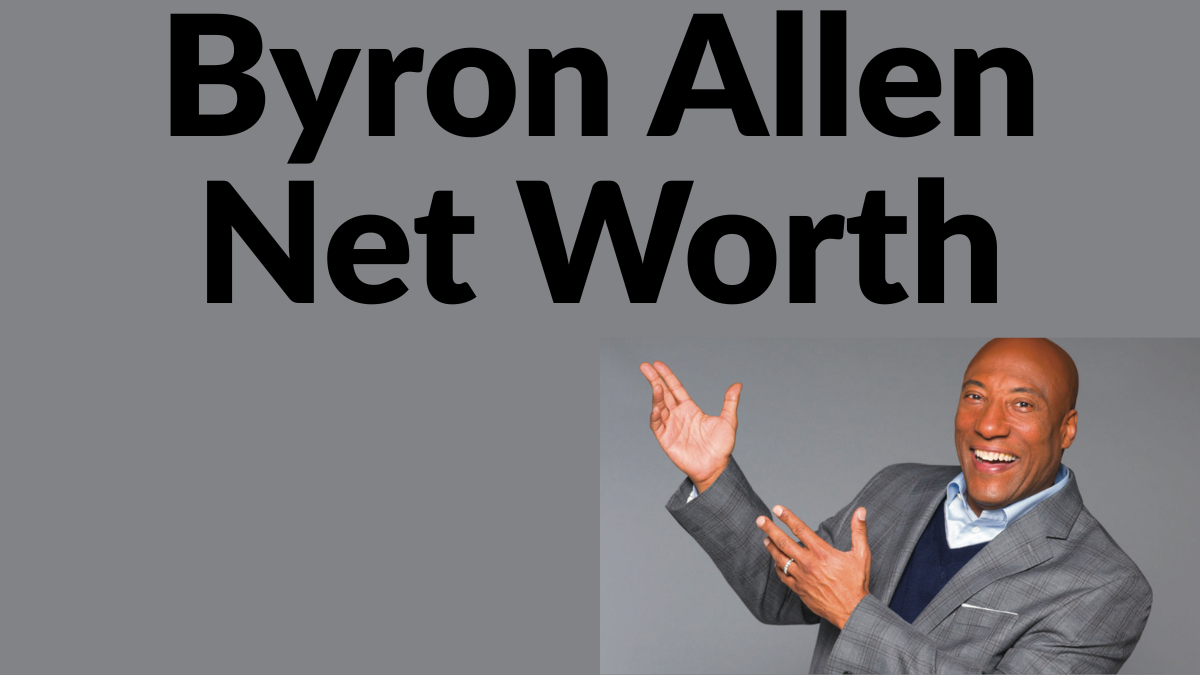
Byron Allen Net Worth: The Rise of a Media Mogul
Byron Allen is a name synonymous with ambition, perseverance, and remarkable business acumen. Over the past few decades, he has transformed from a young comedian into one of the most successful media moguls in the United States. This article explores Byron Allen net worth, his journey in the entertainment and media industry, and the factors that contributed to his impressive financial success.
Early Life and Career Beginnings
Byron Allen was born on April 22, 1961, in Detroit, Michigan. Growing up in a modest household, Allen was exposed to the challenges of life early on. His interest in entertainment began during his teenage years, and he quickly demonstrated a knack for humor and performance. At the age of 14, he started performing stand-up comedy, showing an uncanny ability to connect with audiences of all ages.
By the time he was 16, Allen had already appeared on television shows, catching the attention of talent scouts. His early exposure to the entertainment industry provided him with the foundation to understand the business side of media—a skill that would prove invaluable later in his career.
Breakthrough in Comedy
Byron Allen’s talent in comedy led him to various television appearances, including spots on popular shows during the 1970s and 1980s. His humor was fresh, relatable, and often delivered with a confident charm that set him apart from his peers.
While many comedians of his time relied solely on live performances, Allen recognized the importance of diversifying his opportunities. He began hosting television shows, producing content, and creating a brand around his personality. This strategic approach enabled him to transition from performing in clubs to becoming a household name on television.
Transition to Television Production
Byron Allen’s entrepreneurial mindset pushed him beyond the realm of comedy into television production. He founded Byron Allen Entertainment Studios, a company that would eventually become one of the largest African-American-owned media enterprises in the country.
His first major production venture was the creation of syndicated talk shows and entertainment news programs. These shows gained traction due to Allen’s ability to identify market gaps and produce content that resonated with broad audiences. Unlike other producers, Allen maintained full control over his productions, ensuring both creative and financial ownership.
Expansion into Media and Entertainment
Allen’s vision extended far beyond producing television content. Over the years, he strategically acquired various media assets, including cable networks, television stations, and digital platforms. By 2018, his company, Entertainment Studios, owned several high-profile networks, such as The Weather Channel, Justice Central, Cars.TV, and Pets.TV.
The acquisitions were not merely for prestige—they were calculated investments that generated substantial revenue. By acquiring established networks and enhancing their programming, Allen diversified his portfolio and created multiple streams of income. This approach solidified his position as a media mogul, allowing him to generate significant wealth while maintaining a relatively low public profile compared to other billionaires in the entertainment sector.
Byron Allen’s Net Worth
As of 2026, Byron Allen’s net worth is estimated to be around $400 million to $450 million. His wealth is primarily derived from his ownership of Entertainment Studios, advertising revenue, and strategic investments in media properties.
Unlike celebrities who rely heavily on endorsements or acting contracts, Allen’s fortune comes from building and owning businesses. This self-made path has allowed him to accumulate wealth steadily over decades, reflecting a combination of talent, strategy, and business savvy.
Factors Contributing to Wealth
Several key factors have contributed to Byron Allen’s impressive net worth:
Ownership Over Production: Allen maintains full ownership over the shows and networks he produces. This allows him to retain profits that would otherwise be shared with studios or networks.
Strategic Media Acquisitions: By acquiring underperforming or undervalued media properties, Allen turned them into profitable enterprises, increasing both revenue and his market influence.
Syndication Model: Many of Allen’s programs are syndicated, meaning they are sold to multiple television stations. Syndication generates recurring revenue, creating financial stability.
Advertising Revenue: Entertainment Studios owns several ad-supported networks. This model allows the company to generate consistent income, independent of ratings fluctuations.
Long-Term Vision: Allen’s approach has always been long-term, focusing on building assets rather than short-term fame. His patience and strategic mindset have been crucial to his financial success.
Challenges and Triumphs
Byron Allen’s journey was not without obstacles. The media industry is notoriously competitive, and breaking into television as an African-American entrepreneur presented unique challenges. He faced difficulties securing financing, distribution, and industry recognition early in his career.
However, Allen’s resilience and innovative thinking allowed him to overcome these hurdles. He leveraged every opportunity to expand his influence and never shied away from taking calculated risks. Today, his success serves as an inspiring example of how determination and strategic planning can overcome systemic barriers.
Philanthropy and Influence
Beyond his financial achievements, Byron Allen is known for his philanthropic efforts. He has contributed to education, social justice initiatives, and community development programs. His influence extends to advocating for diversity in media ownership, highlighting the importance of representation in a largely homogeneous industry.
Allen’s story is not just one of wealth accumulation but also of giving back and creating opportunities for others. Through both his business ventures and charitable work, he has left an indelible mark on the entertainment world.
Byron Allen’s Investment Philosophy
Allen’s investment approach is highly strategic, emphasizing ownership and control. He prefers to acquire existing companies, enhance their value, and integrate them into his broader media empire. Unlike many investors who chase trends, Allen focuses on sustainable growth, long-term profitability, and maintaining autonomy over his ventures.
This philosophy extends beyond media. He has diversified into real estate and other business sectors, ensuring a balanced and resilient portfolio. His disciplined approach to investing has been a cornerstone of his financial growth.
Byron Allen’s Lifestyle
Despite his wealth, Byron Allen is known for maintaining a relatively private and low-key lifestyle. He avoids unnecessary extravagance, focusing instead on expanding his media empire and investing in meaningful ventures. This pragmatic approach has allowed him to reinvest profits back into his businesses, fueling continued growth.
His lifestyle reflects the principles that have defined his career: strategic thinking, patience, and disciplined decision-making. Unlike many celebrities who display their wealth publicly, Allen’s focus remains on creating long-term value and sustainable wealth.
Byron Allen in the Media Industry
Byron Allen’s influence in the media industry is profound. He is considered a trailblazer for African-American entrepreneurs, demonstrating that ownership and strategic investments can yield enormous success.
His story has inspired countless aspiring media professionals and business owners to pursue ownership over participation. By challenging traditional industry norms, Allen has redefined what it means to succeed in entertainment.
Future Outlook
The future looks promising for Byron Allen and his media empire. With continued acquisitions, the expansion of digital media platforms, and increasing demand for diverse content, Allen is well-positioned to grow his influence and net worth further.
Experts predict that his company’s value will continue to rise as media consumption patterns evolve, particularly with the shift toward streaming and on-demand content. Allen’s forward-thinking strategies ensure that he remains ahead of the curve, adapting to changes in the media landscape.
Frequently Asked Questions (FAQs)
Q1: What is Byron Allen’s net worth?
A1: Byron Allen’s net worth is estimated to be between $400 million and $450 million as of 2026. His wealth comes primarily from his media company, Entertainment Studios, and strategic investments.
Q2: How did Byron Allen become wealthy?
A2: Byron Allen became wealthy through his career in comedy, television production, and media ownership. His company owns multiple networks and generates revenue through advertising, syndication, and strategic acquisitions.
Q3: Is Byron Allen self-made?
A3: Yes, Byron Allen is entirely self-made. He started as a comedian and gradually built his media empire through talent, strategic investments, and entrepreneurship.
Q4: What companies does Byron Allen own?
A4: Byron Allen owns Entertainment Studios, which includes networks such as The Weather Channel, Justice Central, Cars.TV, Pets.TV, and more.
Q5: What makes Byron Allen successful?
A5: His success is attributed to his strategic vision, ownership of content, calculated investments, and resilience in overcoming industry challenges.
Q6: Does Byron Allen do philanthropy?
A6: Yes, Byron Allen is involved in philanthropy, supporting education, social justice initiatives, and community development programs.
Conclusion
Byron Allen’s journey from a young comedian to a media mogul is a testament to the power of perseverance, vision, and strategic thinking. With a net worth of approximately $400–450 million, he has built a legacy that extends beyond wealth, influencing the media industry and advocating for diversity and representation.
His story serves as an inspiring example for aspiring entrepreneurs and entertainers alike, proving that success is achievable through hard work, ownership, and intelligent investment. Byron Allen is not only a figure of financial achievement but also a symbol of innovation, resilience, and the transformative power of media entrepreneurship.