How to Completely Uninstall Programs on Windows and Remove Leftover Files
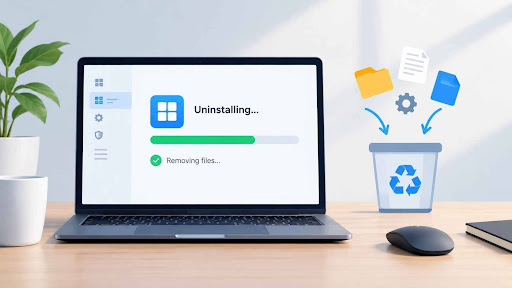
Installing software on a Windows PC is easy, but removing it completely can sometimes be a different story. A program may disappear from the list of installed applications while folders, temporary files, configuration data, browser extensions, or other leftovers remain behind. Over time, these remnants can contribute to unnecessary clutter and make it harder to manage the system.
That is why using a reliable uninstall tool can be useful when the standard Windows removal process is not enough. Instead of simply deleting the main application, a dedicated uninstaller can look for associated files and help clean up what remains.
Why Uninstalling Software Properly Matters
Many Windows users uninstall applications only when they need additional storage space. However, removing software properly is also useful for keeping an organized and manageable computer.
When an application is installed, it can create more than one folder. Depending on the software, installation may also involve configuration files, temporary data, shortcuts, services, and other components. The normal uninstall process is designed to remove the application, but it does not necessarily guarantee that every related item disappears.
Leftover data is not always a serious problem. A few small files may have little effect on a modern computer. The bigger concern is accumulation. A PC that has been used for years and has gone through dozens or hundreds of software installations can contain a considerable amount of unnecessary data.
A good cleanup routine therefore includes reviewing installed applications regularly and removing software that is no longer needed.
Start With Windows’ Built-In Uninstall Options
Windows already provides a straightforward way to remove many applications. Depending on the Windows version and the type of application, users can find uninstall controls through Settings or the installed-programs interface.
The safest first step is usually to use the application’s own uninstaller or Windows’ standard uninstall option. This gives the software an opportunity to remove its primary components in the way its developer intended.
Before uninstalling an application, close the program and save any files or settings you may still need. Some applications store important projects, profiles, templates, or local data in separate folders.
It is also worth checking whether the program is still being used by another application. Removing shared components without understanding their purpose can sometimes cause problems.
What Happens When Uninstalling Leaves Files Behind?
A typical uninstall can remove the main application while leaving related information elsewhere on the computer. These leftovers might include temporary files, folders, configuration information, or other traces associated with the program.
This does not mean every leftover file should automatically be deleted. Some data may be useful if the software is reinstalled later. Other files may belong to Windows or another application.
The challenge is identifying which items genuinely belong to the software being removed.
This is one reason a dedicated uninstall tool can be more convenient than manually searching through system folders. A specialized utility can scan for related leftovers after the original uninstaller has completed.
When a Dedicated Uninstall Tool Makes Sense
A third-party uninstaller becomes particularly useful when Windows cannot remove an application normally.
For example, a program might produce an uninstall error, have a damaged uninstaller, or remain listed even though some of its files have already disappeared. There can also be applications that are difficult to remove through conventional methods.
IObit Uninstaller is designed for this type of software-management task. Its current feature set covers unwanted programs, Windows applications, browser extensions, stubborn software, and associated leftovers. Its Software Health area also checks several software-related issues rather than focusing only on traditional program removal.
The advantage is not simply having another button labeled “Uninstall.” The useful part is the additional visibility into what happens after the normal removal process.
How to Remove a Program More Thoroughly
The general process is relatively simple.
1. Review Your Installed Programs
Start by looking through the applications installed on your PC. Sort them by name, size, or installation date if the available Windows interface provides those options.
Pay particular attention to programs you no longer recognize or use. However, avoid removing software simply because its name looks unfamiliar. System components, hardware utilities, drivers, and shared tools can be important.
2. Close the Application
Before uninstalling, close the program and any related windows.
If the application is running in the background, Windows may prevent certain files from being removed. Some programs also continue running through background services.
3. Run the Normal Uninstaller
Use Windows or the software’s built-in uninstall option first when possible.
Allow the process to finish rather than immediately deleting the application’s installation folder. Manually deleting the main folder can leave configuration information and other components behind.
4. Scan for Leftovers
After the main uninstall finishes, a dedicated uninstaller can check for remaining files associated with the removed application.
IObit Uninstaller, for example, provides an option to automatically remove residual files after the built-in uninstaller completes. It can also scan and display leftover items so users can review what was found.
This extra step is particularly useful for software that has accumulated data in different locations.
5. Review Before Deleting
A cleanup scan should not be treated as a reason to delete everything automatically without consideration.
Review the results when possible. If a file or registry-related entry clearly belongs to the removed program, removing it may make sense. If its purpose is unclear, leaving it alone can be the safer choice.
This is especially important on systems containing specialized applications, development tools, games, or hardware software.
Dealing With Programs That Refuse to Uninstall
One of the more frustrating situations is an application that refuses to uninstall.
The problem can happen because the original uninstaller is damaged, an uninstall entry is missing, or some program components are no longer available. In such cases, repeatedly trying the same Windows option may not solve the problem.
A specialized tool can provide another approach. IObit Uninstaller’s stubborn-program functionality is designed to identify difficult applications and help remove their associated components. The company’s documentation for its recent versions describes support for thousands of stubborn programs.
Before forcing the removal of important software, however, users should make sure they have backups and understand what they are removing.
Don’t Forget Browser Extensions
Applications are not the only type of software that can create clutter.
Browser extensions can accumulate over time, especially when users install tools for shopping, productivity, screenshots, downloads, search, or other everyday activities. Some extensions may become unnecessary long before the user remembers installing them.
A regular extension review can improve browser organization and reduce unwanted interruptions.
IObit Uninstaller includes browser-extension management and can identify extensions across supported browsers, giving users a centralized way to review and remove them.
That can be more convenient than opening several browsers and checking their extension settings individually.
Be Careful With Bundleware
Another reason to review installed software is bundled applications.
Some installers offer additional programs, browser components, or other optional software during installation. If users move quickly through an installation wizard, they may end up with applications they never intended to install.
A good habit is to choose custom or advanced installation options when available and read each screen instead of repeatedly clicking “Next.”
For software that has already been installed, a dedicated uninstaller can help identify bundled components. IObit Uninstaller specifically includes bundleware detection and removal as part of its software-management features.
Use an Uninstall Routine Instead of Occasional Cleanup
The best approach is not to wait until the computer becomes cluttered.
Whenever you finish testing an application, game, utility, or browser extension, decide whether you actually intend to keep it. If not, uninstall it rather than allowing unused software to accumulate.
A simple monthly or quarterly review can also help. Check applications you have not used recently, large programs taking up significant storage, browser extensions, and software you installed temporarily.
For users who regularly test applications, download utilities, or maintain multiple programs, an uninstall tool can make this routine easier by combining removal and leftover scanning in one place.
FAQs
- What is an uninstall tool?
An uninstall tool helps remove programs and can also find leftover files after the main uninstallation. - Why should I completely uninstall unused programs?
It can reduce unnecessary clutter and free up storage space on your Windows PC. - Can an uninstall tool remove stubborn programs?
Yes, some dedicated uninstallers are designed to help remove programs that fail to uninstall normally. - Does uninstalling a program remove all its files?
Not always. Some applications may leave folders, temporary files, or other data behind. - Is it safe to remove leftover files?
Generally, files clearly associated with an uninstalled program can be removed, but unknown system files should be left alone.
Final Thoughts
Uninstalling software is often treated as a simple matter of clicking a button, but a cleaner process involves more than removing the application’s main files. Reviewing installed programs, using the normal uninstaller, checking for leftovers, and paying attention to browser extensions can help keep Windows better organized.
A dedicated utility becomes particularly useful when the built-in Windows process cannot remove a program properly or when you want a clearer way to identify associated leftovers. Tools such as IObit Uninstaller are designed to handle these situations while also providing additional software-management functions.
The important point is to use these tools thoughtfully. Not every leftover file needs to be removed, and system components should never be deleted simply because they look unfamiliar. With a careful approach, regular software cleanup can become a straightforward part of maintaining a Windows PC rather than a frustrating task performed only when something goes wrong.