
3D Design Services & Heavy-Duty Metal Fabrication: Powering Modern Industrial Innovation
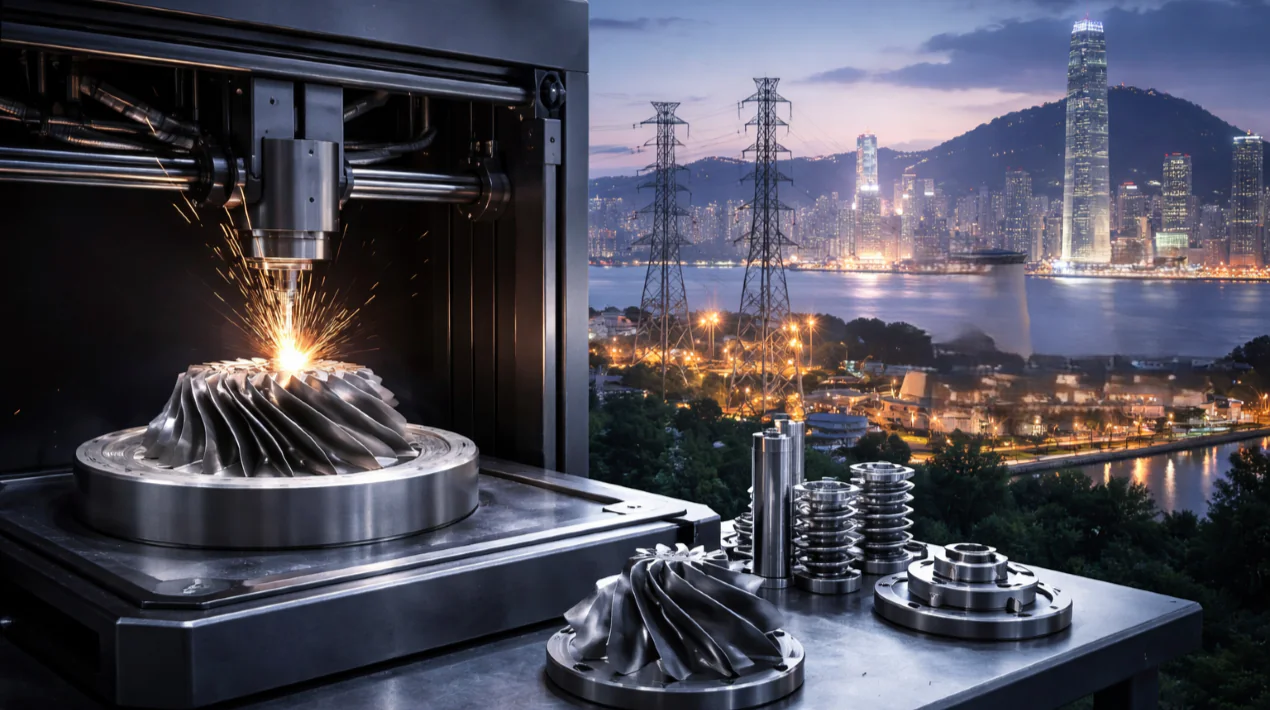
In today’s rapidly evolving industrial world, businesses are constantly seeking advanced solutions to improve efficiency, accuracy, and durability. From construction to large-scale manufacturing, the need for reliable and innovative processes has never been greater. This is where 3D Design Services and heavy-duty metal fabrication come into play, offering a powerful combination that drives modern engineering and industrial success.
The Role of 3D Design Services in Modern Engineering
3D design services have transformed the way engineers, architects, and manufacturers approach project planning and development. By creating detailed digital models, professionals can visualize structures and components before they are physically produced.
The use of 3D Design Services allows for better accuracy and improved decision-making. Designers can test multiple concepts, make adjustments, and identify potential issues early in the process. This significantly reduces the risk of costly errors during production.
Another key advantage is improved collaboration. With realistic 3D models, project stakeholders can clearly understand the design, ensuring better communication and alignment. This leads to smoother workflows and faster project completion.
Understanding Heavy-Duty Metal Fabrication
Heavy-duty metal fabrication involves the cutting, shaping, and assembly of large and robust metal structures. These structures are commonly used in industries such as construction, mining, energy, and infrastructure development.
Heavy-duty metal fabrication focuses on producing strong and durable components that can withstand extreme conditions. This includes the use of advanced machinery and skilled labor to ensure high-quality results.
The fabrication process typically includes cutting, bending, welding, and assembling metal parts into final structures. These processes are essential for creating bridges, industrial equipment, storage tanks, and large frameworks.
The Integration of Design and Fabrication
The combination of digital design and physical fabrication has revolutionized industrial processes. By integrating 3D Design Services with fabrication techniques, businesses can achieve a seamless transition from concept to production.
For example, a 3D model can be directly used to guide fabrication machines, ensuring that every component is produced according to exact specifications. This reduces material waste and improves overall efficiency.
Similarly, heavy-duty metal fabrication benefits from precise digital designs, which help fabricators execute tasks with greater accuracy. This integration not only enhances quality but also speeds up project timelines.
Applications Across Industries
The use of 3D design and heavy-duty fabrication spans multiple industries:
- Construction: Building large structures such as bridges, buildings, and industrial facilities.
- Energy Sector: Fabricating equipment for power plants, oil and gas facilities, and renewable energy systems.
- Mining: Creating durable machinery and support structures for harsh environments.
- Manufacturing: Producing heavy equipment and industrial components.
- Transportation: Developing railway systems, ships, and heavy vehicles.
With the support of heavy-duty metal fabrication, these industries can ensure strength, durability, and reliability in their operations.
Key Benefits for Businesses
Adopting advanced design and fabrication solutions offers several advantages:
- Enhanced Accuracy: Digital models ensure precise measurements and reduce errors.
- Cost Efficiency: Minimizes material waste and lowers production costs.
- Faster Production: Streamlines the entire workflow from design to manufacturing.
- Customization: Allows for tailored solutions based on project requirements.
- Durability: Produces strong and long-lasting structures.
These benefits make 3D design and fabrication services essential for companies aiming to stay competitive in today’s market.
Future Trends in Industrial Design and Fabrication
The future of industrial engineering is driven by innovation and technology. Advancements such as artificial intelligence, automation, and smart manufacturing are set to further enhance these processes.
Modern 3D Design Services are now incorporating simulation tools and real-time analysis, allowing engineers to test designs before production. This leads to improved performance and reduced development time.
At the same time, heavy-duty metal fabrication is evolving with the use of robotic systems and automated welding techniques. These advancements improve precision, safety, and consistency, making large-scale production more efficient.
Conclusion
3D design services and heavy-duty metal fabrication are essential components of modern industrial development. Their ability to combine digital precision with physical strength makes them indispensable for large-scale projects.
By leveraging 3D Design Services and heavy-duty metal fabrication, businesses can improve efficiency, reduce costs, and deliver high-quality results. As technology continues to advance, these solutions will play a key role in shaping the future of construction and manufacturing industries.