
Top Soil Near Me: A Complete Guide to Finding, Choosing, and Using Quality Topsoil
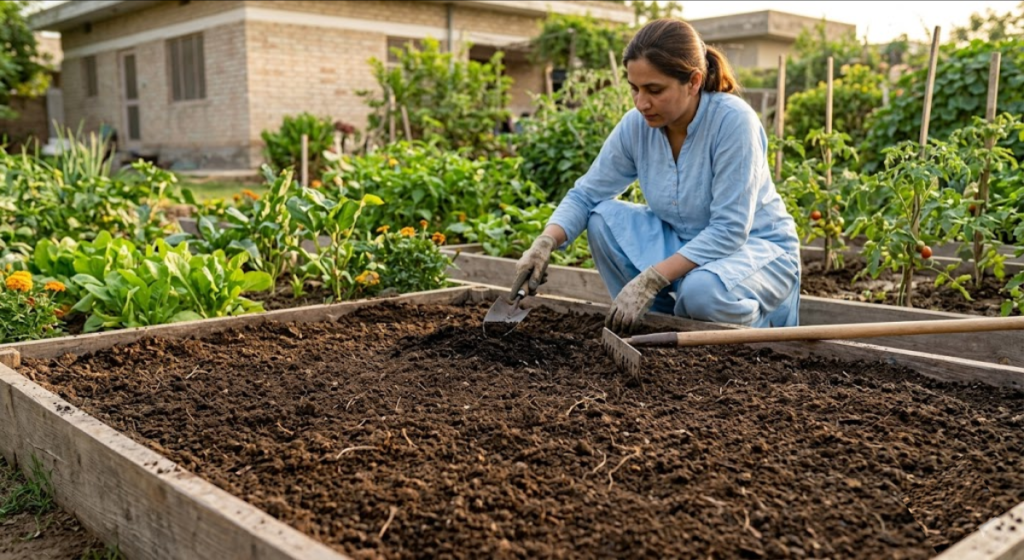
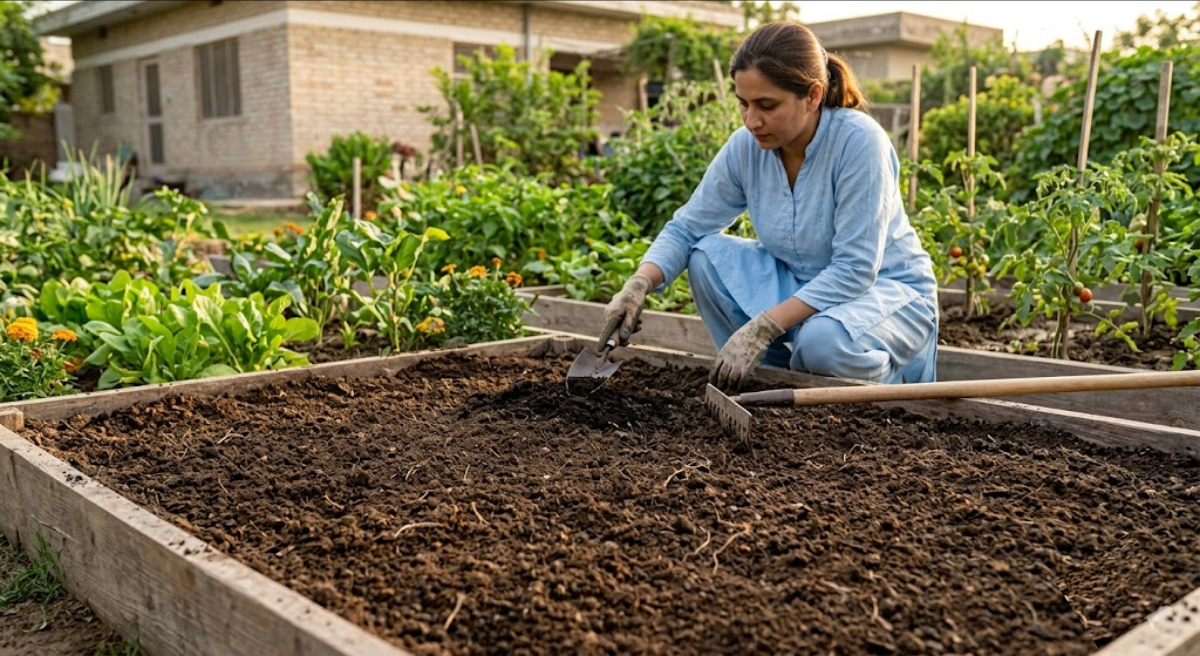
When you search for top soil near me, you’re likely planning a gardening, landscaping, or construction project that requires healthy, nutrient-rich soil. Whether you’re starting a new lawn, building raised beds, or leveling your yard, choosing the right topsoil is essential for success. This guide will help you understand what topsoil is, how to find the best local sources, and how to use it effectively.
What Is Topsoil?
Topsoil is the uppermost layer of soil, typically the top 2 to 8 inches of the earth’s surface. This layer is rich in organic matter, nutrients, and microorganisms that are vital for plant growth. It’s where most plant roots develop and where seeds germinate.
High-quality topsoil contains a balanced mix of:
- Sand (for drainage)
- Silt (for moisture retention)
- Clay (for nutrient holding)
- Organic matter (for fertility)
Why Topsoil Matters for Your Project
Using the right topsoil can make or break your landscaping or gardening project. Here’s why it’s so important:
Improves Plant Growth
Topsoil provides essential nutrients and a stable environment for roots to grow, helping plants thrive.
Enhances Drainage
Good topsoil ensures proper water flow, preventing issues like waterlogging or root rot.
Supports Soil Structure
It improves the overall structure of your soil, making it easier to work with and more productive.
Boosts Lawn Health
For lawns, topsoil helps grass establish strong roots and grow evenly.
Types of Topsoil Available Near You
When searching for topsoil locally, you’ll come across different types. Understanding them will help you make the right choice.
Screened Topsoil
This is topsoil that has been filtered to remove rocks, debris, and large clumps. It’s ideal for lawns and gardens.
Unscreened Topsoil
Less processed and often cheaper, but may contain stones or organic debris. Suitable for filling large areas.
Enriched Topsoil
Mixed with compost or organic matter to increase fertility. Perfect for vegetable gardens and flower beds.
Sandy Topsoil
Contains more sand, offering excellent drainage. Best for areas prone to waterlogging.
Clay-Based Topsoil
Holds nutrients well but may have poor drainage. Often needs to be mixed with compost or sand.
How to Find the Best Top Soil Near Me
Finding quality topsoil locally doesn’t have to be difficult. Here are the most effective ways:
Visit Local Garden Centers
Garden centers usually offer high-quality, screened, or enriched topsoil suitable for home use.
Check Landscaping Suppliers
Bulk suppliers often provide topsoil at lower prices, especially if you need large quantities.
Look for Online Marketplaces
Many local sellers advertise topsoil online, allowing you to compare prices and reviews.
Ask for Recommendations
Neighbors, gardeners, or local contractors can suggest reliable suppliers.
Search Maps and Reviews
Use map services to find nearby suppliers and read customer feedback before purchasing.
What to Look for in Quality Topsoil
Not all topsoil is created equal. Here are key characteristics of good topsoil:
Dark Color
Indicates high organic content and fertility.
Pleasant Earthy Smell
Healthy soil should smell fresh, not sour or chemical-like.
Loose Texture
Should crumble easily in your hand without being too sticky or too sandy.
Free of Debris
Avoid soil with plastic, glass, or large rocks.
Good Moisture Balance
It should be slightly moist but not overly wet or dry.
How Much Topsoil Do You Need?
Calculating the right amount is crucial to avoid overspending or running short.
Basic Formula
Multiply:
Length × Width × Desired Depth
Then convert the result into cubic yards or cubic meters.
Example
If your area is 10 feet by 10 feet and you need 3 inches of topsoil:
- 10 × 10 × 0.25 feet = 25 cubic feet
- Divide by 27 = approximately 0.93 cubic yards
Cost of Topsoil Near You
The price of topsoil varies depending on quality, location, and quantity.
Average Price Range
- Per bag: $3 to $10
- Per cubic yard: $20 to $60
Factors Affecting Cost
- Delivery distance
- Soil quality
- Screening and enrichment
- Seasonal demand
Buying in bulk is usually more cost-effective for large projects.
Delivery vs. Pickup: Which Is Better?
When buying topsoil locally, you’ll need to decide whether to pick it up or have it delivered.
Pickup Advantages
- Lower cost
- Immediate availability
Delivery Advantages
- Convenient for large quantities
- Saves time and effort
If you need more than a few cubic yards, delivery is often the better option.
Common Mistakes to Avoid
Even with good topsoil, mistakes can reduce its effectiveness.
Using Poor-Quality Soil
Cheap soil may contain contaminants or lack nutrients.
Not Testing Soil
Testing helps determine pH and nutrient levels.
Overwatering
Too much water can wash away nutrients.
Ignoring Drainage
Poor drainage can damage plants.
Applying Too Much or Too Little
Incorrect depth affects plant growth and stability.
Tips for Maintaining Healthy Soil
After applying topsoil, maintenance is important for long-term results.
Add Compost Regularly
Boosts nutrients and improves structure.
Mulch the Surface
Helps retain moisture and prevent erosion.
Avoid Compaction
Don’t walk on freshly laid soil unnecessarily.
Rotate Crops
Prevents nutrient depletion in gardens.
Environmental Considerations
When sourcing topsoil, consider environmentally responsible options.
Choose Sustainable Suppliers
Look for companies that follow ethical sourcing practices.
Avoid Contaminated Soil
Ensure the soil is free from pollutants or harmful chemicals.
Reuse Existing Soil
Improve your current soil with compost instead of replacing it entirely.
Benefits of Buying Topsoil Locally
Searching for “top soil near me” has several advantages:
Lower Transportation Costs
Local suppliers reduce delivery expenses.
Faster Availability
You can get soil quickly when needed.
Better Adaptation
Local soil is often better suited to your region’s climate and plants.
Support Local Businesses
Buying locally helps your community economy.
When Is the Best Time to Buy Topsoil?
Timing can affect both price and availability.
Spring
High demand for gardening projects; prices may be higher.
Fall
Great time for soil improvement and often better deals.
Early Morning Purchases
Suppliers are usually well-stocked and fresh.
FAQs About Top Soil Near Me
1. How do I know if topsoil is good quality?
Good topsoil is dark, crumbly, smells earthy, and is free from debris and contaminants.
2. Can I use topsoil alone for gardening?
Topsoil is best when mixed with compost or other organic matter for improved fertility.
3. How deep should topsoil be for a lawn?
A depth of 2 to 3 inches is typically sufficient for establishing a healthy lawn.
4. Is bagged topsoil better than bulk?
Bagged topsoil is convenient for small projects, while bulk is more cost-effective for larger areas.
5. How long does topsoil last?
Topsoil doesn’t expire, but its nutrients can deplete over time without proper maintenance.
6. Can I put topsoil over existing grass?
Yes, but it should be done carefully, and grass should not be completely smothered unless reseeding.
7. Do I need to fertilize topsoil?
Often yes, especially if it’s not enriched. Adding compost or fertilizer improves results.
8. How do I store leftover topsoil?
Keep it covered in a dry area to prevent erosion and nutrient loss.
Conclusion
Searching for “top soil near me” is the first step toward creating a thriving garden or landscape. By understanding the types of topsoil, knowing how to evaluate quality, and choosing reliable local suppliers, you can ensure your project starts on the right foundation.
Whether you’re planting a lush lawn, growing vegetables, or leveling your yard, investing in high-quality topsoil will save time, money, and effort in the long run. Take the time to choose wisely, and your soil will reward you with healthy, vibrant growth for years to come.