
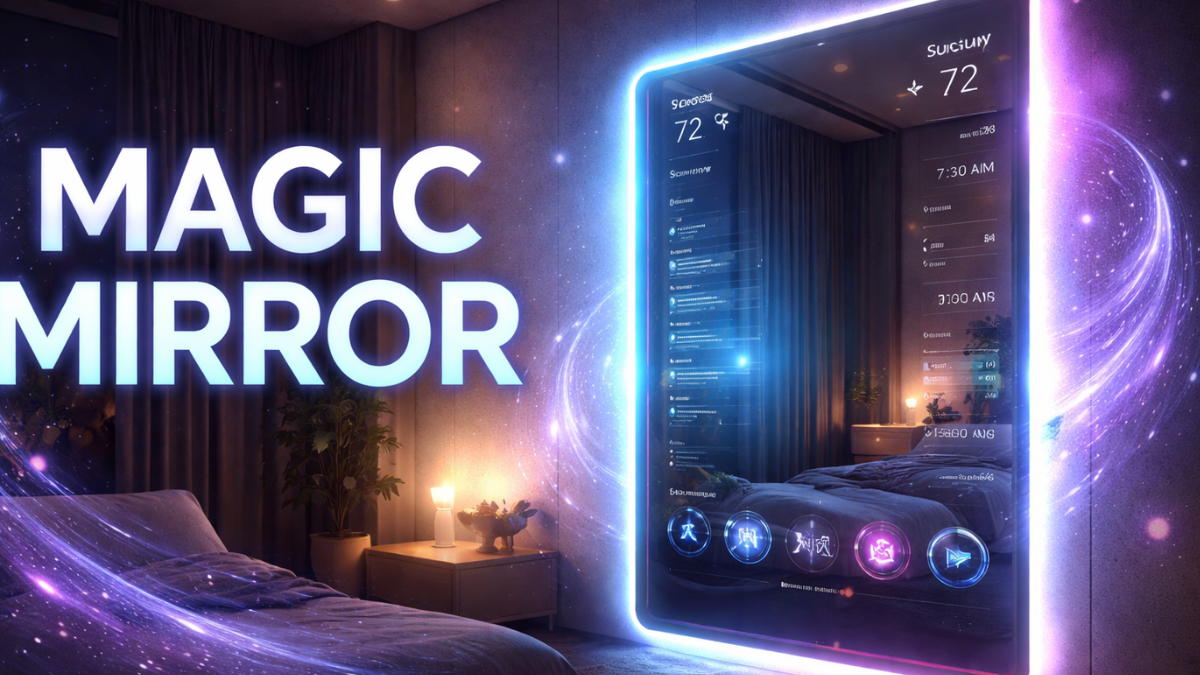
Magic Mirror: Exploring the Mystery, Technology, and Imagination Behind It
The magic mirror instantly sparks curiosity. It brings to mind enchanted objects from fairy tales, futuristic smart devices, and philosophical ideas about self-reflection. From ancient myths to modern technology, the concept of a magic mirror has evolved while retaining its core fascination: the ability to reveal more than what meets the eye.
In today’s world, a magic mirror can be both a symbolic idea and a real, functional device. It can represent truth, illusion, or self-awareness, and at the same time, it can be a high-tech screen embedded in your home. This article explores the origins, meanings, applications, and future possibilities of the magic mirror.
The Origins of the Magic Mirror in Myth and Folklore
Magic mirrors have deep roots in mythology and folklore. Across different cultures, mirrors have often been viewed as mysterious objects with supernatural powers. In many ancient traditions, mirrors were believed to reveal hidden truths, communicate with spirits, or even predict the future.
One of the most famous examples comes from fairy tales, where a mirror is used to reveal truth beyond appearances. These stories often portray mirrors as honest yet sometimes harsh tools that cannot lie. This symbolic role reflects humanity’s desire to uncover reality, even when it is uncomfortable.
In some cultures, mirrors were also used in rituals. They were believed to act as portals between worlds or tools for divination. This connection between mirrors and the unseen has helped shape the enduring idea of the magic mirror.
Symbolism of the Magic Mirror
Beyond folklore, the magic mirror carries strong symbolic meaning. It often represents self-reflection, truth, and identity. When people look into a mirror, they see themselves—but a magic mirror suggests something deeper. It implies seeing beyond the surface into one’s true nature.
Psychologically, the concept of a magic mirror can be linked to self-awareness. It raises questions like: Who are we really? How do others see us? What truths are hidden beneath our outward appearance?
In literature and art, magic mirrors are often used to explore themes such as vanity, honesty, and transformation. They can serve as a reminder that truth is not always comfortable but is essential for growth.
The Evolution into Modern Technology
In recent years, the idea of the magic mirror has moved from fantasy into reality. With advancements in technology, smart mirrors—often referred to as magic mirrors—have become increasingly popular.
These modern devices combine traditional mirrors with digital displays. They can show information such as weather updates, news headlines, time, and even personal health data. Some are equipped with voice assistants, touch controls, and facial recognition features.
What makes these mirrors “magic” is their ability to seamlessly blend functionality with everyday life. When turned off, they look like regular mirrors. When activated, they transform into interactive screens that provide useful information at a glance.
How a Smart Magic Mirror Works
A modern magic mirror typically consists of a two-way mirror placed over a digital screen. The screen displays information that shines through the reflective surface, creating a futuristic effect.
Behind the scenes, the system is powered by a small computer or microcontroller. Software is used to control what appears on the screen, and users can customize the display according to their preferences.
Many magic mirrors are connected to the internet, allowing them to pull real-time data such as weather forecasts, calendar events, and traffic updates. Some advanced versions also integrate with smart home systems, enabling users to control lights, thermostats, and other devices directly from the mirror.
Applications of Magic Mirrors in Daily Life
Magic mirrors are not just novelty items; they have practical uses in everyday life. One of the most common applications is in the home, particularly in bedrooms and bathrooms. They help users stay informed while getting ready for the day.
In the fitness industry, magic mirrors have gained popularity as interactive workout tools. These mirrors can display exercise routines, track performance, and even provide virtual coaching.
Retail is another area where magic mirrors are making an impact. In clothing stores, smart mirrors allow customers to try on outfits virtually, reducing the need for physical changing rooms. This enhances the shopping experience and saves time.
Healthcare is also exploring the potential of magic mirrors. Some prototypes can monitor vital signs, analyze skin conditions, and provide health recommendations, making them valuable tools for personal wellness.
Magic Mirrors in Entertainment and Pop Culture
The magic mirror has remained a powerful symbol in entertainment. Movies, books, and television shows frequently use magic mirrors as plot devices. They are often depicted as objects that reveal secrets, guide characters, or act as gateways to other worlds.
In modern storytelling, magic mirrors have taken on new forms, blending traditional fantasy with science fiction. They are no longer just mystical objects but also advanced technologies that challenge our understanding of reality.
This dual identity—both magical and technological—keeps the concept relevant and exciting for audiences of all ages.
The Psychological Appeal of Magic Mirrors
Why are people so fascinated by magic mirrors? The answer lies in human psychology. Mirrors already play a significant role in how we perceive ourselves. A magic mirror takes this a step further by suggesting deeper insight and hidden knowledge.
People are naturally curious about the unknown. The idea that a mirror could reveal secrets or truths taps into this curiosity. It also connects to the desire for self-improvement and understanding.
At the same time, magic mirrors can evoke a sense of unease. The possibility of seeing something unexpected or uncomfortable can be both intriguing and intimidating. This balance between fascination and fear is part of what makes the concept so compelling.
Building Your Own Magic Mirror
With the rise of DIY technology, many enthusiasts are creating their own magic mirrors at home. Building a magic mirror typically involves combining a display screen, a two-way mirror, and a small computer such as a mini PC.
There are various open-source platforms available that provide software for customizing the mirror’s interface. Users can choose what information to display and how it appears.
Creating a magic mirror can be a rewarding project for those interested in technology and design. It allows for creativity and personalization, making the final product both functional and unique.
Advantages and Limitations
Magic mirrors offer several advantages. They provide convenient access to information, enhance daily routines, and add a modern touch to living spaces. Their ability to integrate with smart home systems makes them even more useful.
However, there are also limitations. The cost of building or purchasing a magic mirror can be relatively high. Technical knowledge may be required for setup and maintenance. Additionally, privacy concerns can arise, especially with features like cameras and facial recognition.
Despite these challenges, ongoing advancements are making magic mirrors more accessible and user-friendly.
The Future of Magic Mirrors
The future of magic mirrors looks promising. As technology continues to evolve, these devices are expected to become more advanced and widely adopted.
Artificial intelligence could play a significant role in enhancing magic mirrors. Future versions may provide personalized recommendations, analyze emotions, and offer real-time feedback based on user behavior.
Augmented reality is another area with great potential. Magic mirrors could overlay digital information onto real-world reflections, creating immersive experiences. This could revolutionize industries such as fashion, fitness, and healthcare.
As these innovations develop, the line between magic and technology will continue to blur.
Conclusion
The magic mirror is a fascinating concept that bridges the gap between imagination and reality. From ancient myths to modern smart devices, it has evolved while maintaining its core appeal.
Whether seen as a symbol of truth and self-reflection or as a cutting-edge technological tool, the magic mirror continues to capture our attention. It reminds us of our desire to understand ourselves and the world around us.
As technology advances, the magic mirror is likely to become an even more integral part of our lives, transforming how we interact with information and with ourselves.
FAQs
What is a magic mirror?
A magic mirror can refer to both a mythical object with supernatural abilities and a modern smart mirror that displays digital information while functioning as a regular mirror.
How does a smart magic mirror work?
It uses a two-way mirror placed over a digital screen. The screen displays information that is visible through the mirror, creating an interactive experience.
Can I build a magic mirror at home?
Yes, many people build DIY magic mirrors using a display screen, a two-way mirror, and a small computer. Software is used to customize the interface.
What are the uses of a magic mirror?
Magic mirrors are used in homes, fitness, retail, and healthcare. They provide information, enhance convenience, and improve user experiences.
Are magic mirrors expensive?
The cost varies depending on features and quality. DIY versions can be more affordable, while advanced models with smart features can be more expensive.
Is a magic mirror safe to use?
Yes, but users should be mindful of privacy concerns, especially if the mirror includes cameras or internet connectivity.
What is the future of magic mirrors?
The future includes integration with artificial intelligence and augmented reality, making them more interactive, personalized, and widely used.