
Irish Soda Bread Scones: A Delicious Twist on Tradition
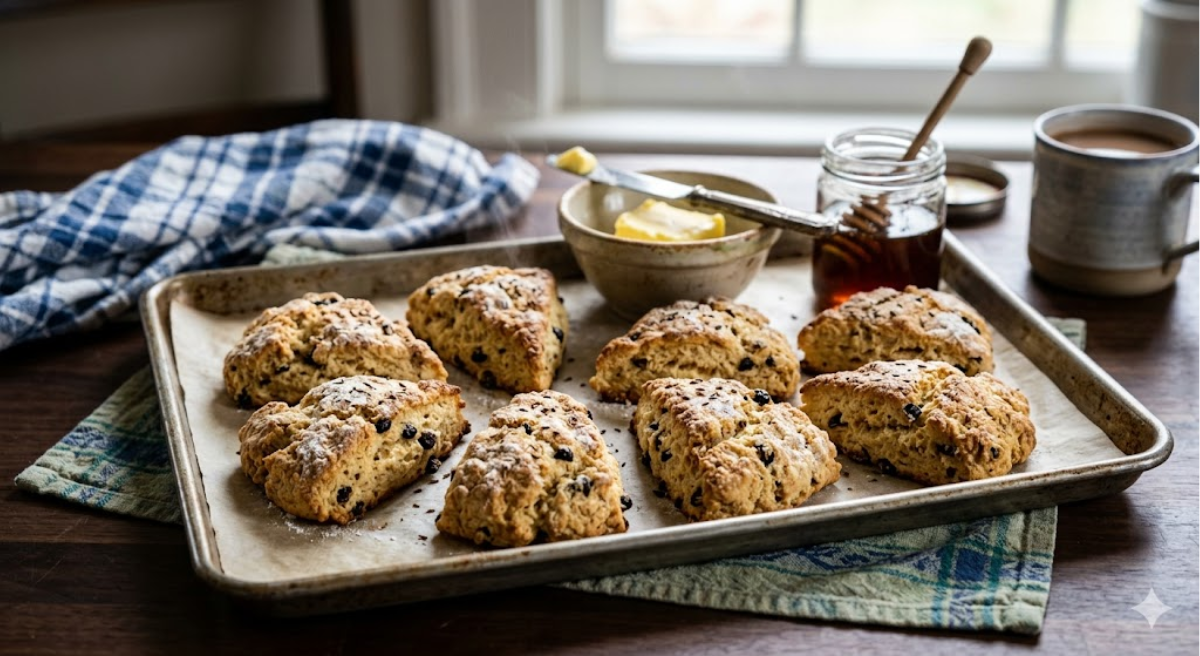
Irish soda bread scones combine the rustic charm of traditional Irish soda bread with the soft, buttery texture of scones. These treats are perfect for breakfast, brunch, or an afternoon tea, offering a comforting flavor and a hint of nostalgia. Unlike yeast-based breads, Irish soda bread relies on baking soda as a leavening agent, making it quick to prepare and delightfully dense yet tender. In this article, we’ll explore the origins, preparation techniques, variations, and serving ideas for these irresistible scones.
The Origins of Irish Soda Bread
Irish soda bread has a rich history rooted in simplicity and practicality. Traditional Irish soda bread dates back to the 19th century, a time when yeast was scarce in rural Ireland. Bakers turned to baking soda as a leavening agent, reacting with buttermilk to create a soft, airy bread without the need for prolonged fermentation. This method allowed families to bake fresh bread daily with minimal ingredients: flour, baking soda, salt, and buttermilk.
The transformation into scones is a modern twist that retains the essence of Irish soda bread while adding a buttery richness. Scones became popular in the British Isles as a slightly sweetened, tender bread, often enjoyed with tea. Irish soda bread scones merge these two traditions, offering a treat that is both culturally rich and incredibly easy to prepare.
Ingredients That Make Perfect Irish Soda Bread Scones
Creating the perfect Irish soda bread scone relies on balancing simple ingredients for flavor and texture. The key components include:
- Flour: All-purpose flour works best, though a mixture of whole wheat and white flour adds nuttiness.
- Baking Soda: The primary leavening agent that reacts with acidic buttermilk to give the scones lift.
- Buttermilk: Essential for the chemical reaction with baking soda and adds moisture and tang.
- Butter: Cold, unsalted butter contributes to a tender, flaky texture.
- Sugar: Optional, depending on whether you prefer a slightly sweet scone or a savory version.
- Salt: Enhances flavor and balances the sweetness if sugar is added.
- Optional Additions: Raisins, currants, caraway seeds, or dried cranberries can be incorporated for extra flavor.
Step-by-Step Preparation Guide
Making Irish soda bread scones is straightforward, but a few tips ensure perfect results:
- Preheat the Oven: Preheat your oven to 425°F (220°C) to ensure a hot baking environment.
- Mix Dry Ingredients: Combine flour, baking soda, sugar, and salt in a large mixing bowl.
- Cut in Butter: Use a pastry cutter or fingertips to incorporate cold butter until the mixture resembles coarse crumbs.
- Add Buttermilk: Gradually mix in buttermilk until a sticky dough forms. Avoid overmixing, which can make the scones tough.
- Shape the Scones: Turn the dough onto a floured surface, pat into a circle about 1 inch thick, and cut into wedges.
- Bake: Place on a baking sheet and bake for 12–15 minutes or until golden brown.
- Cool Slightly: Allow the scones to cool for a few minutes before serving for the best texture.
Tips for Achieving Light and Fluffy Scones
Even though Irish soda bread scones are naturally denser than yeast breads, several tips help maintain a tender crumb:
- Keep Ingredients Cold: Cold butter creates small pockets of steam during baking, giving scones their signature flakiness.
- Handle Dough Gently: Overworking the dough activates gluten, which can make scones tough.
- Don’t Skip Buttermilk: The acidity in buttermilk reacts with baking soda for optimal rise.
- Use a Hot Oven: High heat helps the scones puff up quickly while developing a golden crust.
Sweet Variations of Irish Soda Bread Scones
For those with a sweet tooth, several variations enhance the natural flavor of Irish soda bread scones:
- Raisin or Currant Scones: Classic additions that complement the tanginess of the buttermilk.
- Cranberry and Orange Scones: Dried cranberries and orange zest create a fruity, vibrant option.
- Chocolate Chip Scones: A modern twist, perfect for breakfast or dessert, adding sweetness and indulgence.
- Cinnamon Sugar Topping: Brush the scones with a little milk and sprinkle cinnamon sugar for a golden, flavorful crust.
Savory Variations for Brunch or Snacks
Savory Irish soda bread scones are equally delightful, especially when paired with soups or cheese platters:
- Cheddar and Chive Scones: Sharp cheddar and fresh chives create a rich, flavorful option.
- Garlic and Herb Scones: Perfect with roasted meats or as a side to a hearty stew.
- Bacon and Cheddar Scones: Crispy bacon bits add a smoky, savory element for brunch lovers.
- Sun-Dried Tomato and Parmesan Scones: Mediterranean-inspired flavors that pair beautifully with fresh salads.
Serving Ideas and Pairings
Irish soda bread scones are versatile and pair well with many accompaniments:
- Butter and Jam: A classic choice, especially for sweet scones.
- Honey or Maple Syrup: Adds natural sweetness without overpowering the scone’s flavor.
- Clotted Cream or Whipped Cream: Ideal for indulgent afternoon tea.
- Cheese and Cold Cuts: Savory scones make excellent sides for charcuterie boards or sandwiches.
- Soups and Stews: Warm, flaky scones complement hearty dishes, absorbing rich broths beautifully.
Storing and Freezing Irish Soda Bread Scones
To maintain freshness, proper storage is essential:
- Short-Term Storage: Store at room temperature in an airtight container for up to 2 days.
- Refrigeration: Keeps scones fresh for up to a week but may dry them slightly. Reheat gently in the oven before serving.
- Freezing: Freeze unbaked scones or baked scones in an airtight container for up to 3 months. Reheat in the oven at 350°F (175°C) for 5–10 minutes for a fresh-baked taste.
Health Benefits and Nutritional Insights
While indulgent, Irish soda bread scones can be part of a balanced diet:
- Low Sugar Option: Traditional recipes require minimal sugar, reducing unnecessary calories.
- Whole Grain Variants: Using whole wheat flour adds fiber and nutrients.
- Dairy and Gluten Alternatives: Buttermilk can be substituted with plant-based milk and vinegar, and gluten-free flours can create inclusive recipes.
- Energy Boosting: The combination of flour, butter, and buttermilk provides sustained energy, making them ideal for breakfast or brunch.
Cultural Significance of Irish Soda Bread Scones
Irish soda bread is more than just a dish; it represents tradition, family, and resourcefulness. Scones adapted from this bread carry the same cultural significance, often enjoyed during holidays like St. Patrick’s Day or family gatherings. Baking soda bread scones at home allows people to connect with Ireland’s culinary history while enjoying a modern, versatile treat that can be sweet or savory.
Frequently Asked Questions (FAQs)
Q1: Are Irish soda bread scones the same as regular scones?
No, while both are tender and slightly crumbly, Irish soda bread scones use baking soda and buttermilk as a leavening agent instead of baking powder or yeast. This gives them a distinctive tang and denser texture compared to traditional scones.
Q2: Can I make Irish soda bread scones without buttermilk?
Yes, you can substitute buttermilk with milk and a tablespoon of lemon juice or vinegar. Allow it to sit for a few minutes before using to mimic the acidity of buttermilk.
Q3: How do I make my scones more fluffy?
Ensure the butter is cold, handle the dough gently, and bake in a hot oven. Avoid overmixing the dough to prevent tough scones.
Q4: Can I freeze Irish soda bread scones?
Absolutely! Both baked and unbaked scones can be frozen for up to three months. Reheat baked scones in the oven for a few minutes to restore freshness.
Q5: What are some good accompaniments for savory scones?
Savory scones pair well with cheeses, soups, stews, and charcuterie. Butter, cream cheese, or herb spreads also complement them nicely.
Q6: Are these scones suitable for kids?
Yes! They can be made sweet with raisins, cranberries, or chocolate chips, or savory with mild cheeses, making them a family-friendly treat.
Conclusion
Irish soda bread scones are a delightful fusion of tradition and modern baking, offering a versatile, quick, and delicious treat. With endless sweet and savory variations, they suit every meal, snack, or festive occasion. Simple ingredients, minimal preparation, and rich flavor make them a kitchen favorite, connecting bakers with Ireland’s culinary heritage while offering a comforting, homemade experience.
Whether you enjoy them with butter and jam, cheese and herbs, or simply on their own, Irish soda bread scones are a testament to the magic of transforming basic ingredients into something truly special. They celebrate both the simplicity and the richness of Irish cuisine, making every bite a reminder of tradition, warmth, and home.